Features

Draw it, model it, render it.

Three lanes in one piece of software, with film, web, writing and boards around them. Plenty of tools do one of these well. The difference here is that they are in the same place, so moving between them costs nothing and loses nothing.

Draw it

Drawing

Proper 2D drawing for architects, with the conventions of the discipline built in rather than bolted onto a generic canvas. Walls that resolve their own junctions, doors that carry a swing, rooms that measure themselves, and plans, sections and sheets that understand scale.

  • Plans, sections and sheet views to scale
  • Architectural drawing conventions, not generic shapes
  • DXF and PDF export, DXF import
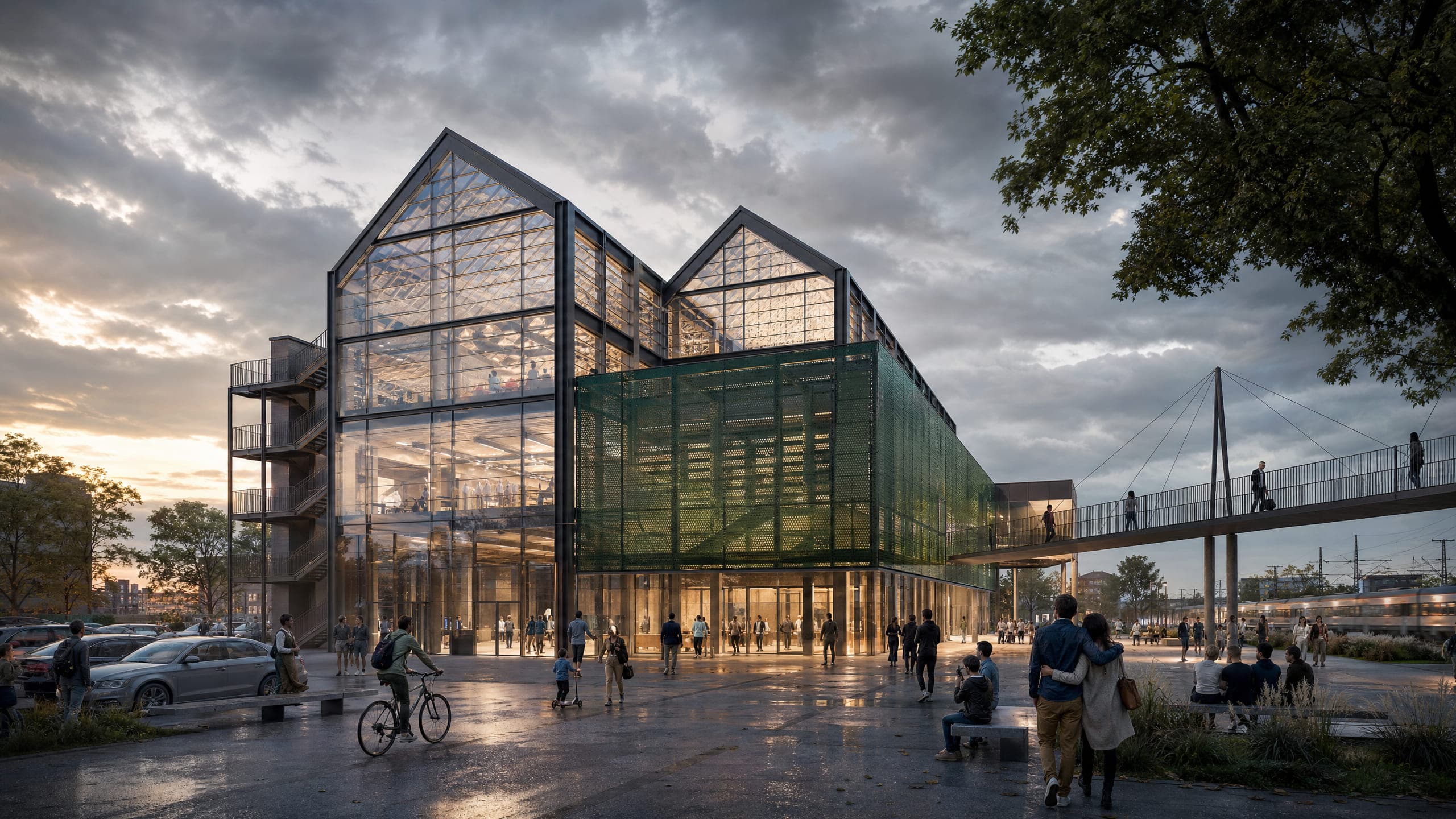
A glazed civic hall at dusk, its gabled steel frame clearly expressed
Model it

Modelling

Massing and form fast enough to think in. Build or import a scheme, compose a scene, and move through it at eye level. Enough to judge proportion, light and street presence long before a full model is justified.

  • 3D models and spaces from a brief, an image or a drawing
  • Scene composition, so a model becomes a view
  • Immersive walkthroughs you can move through and share
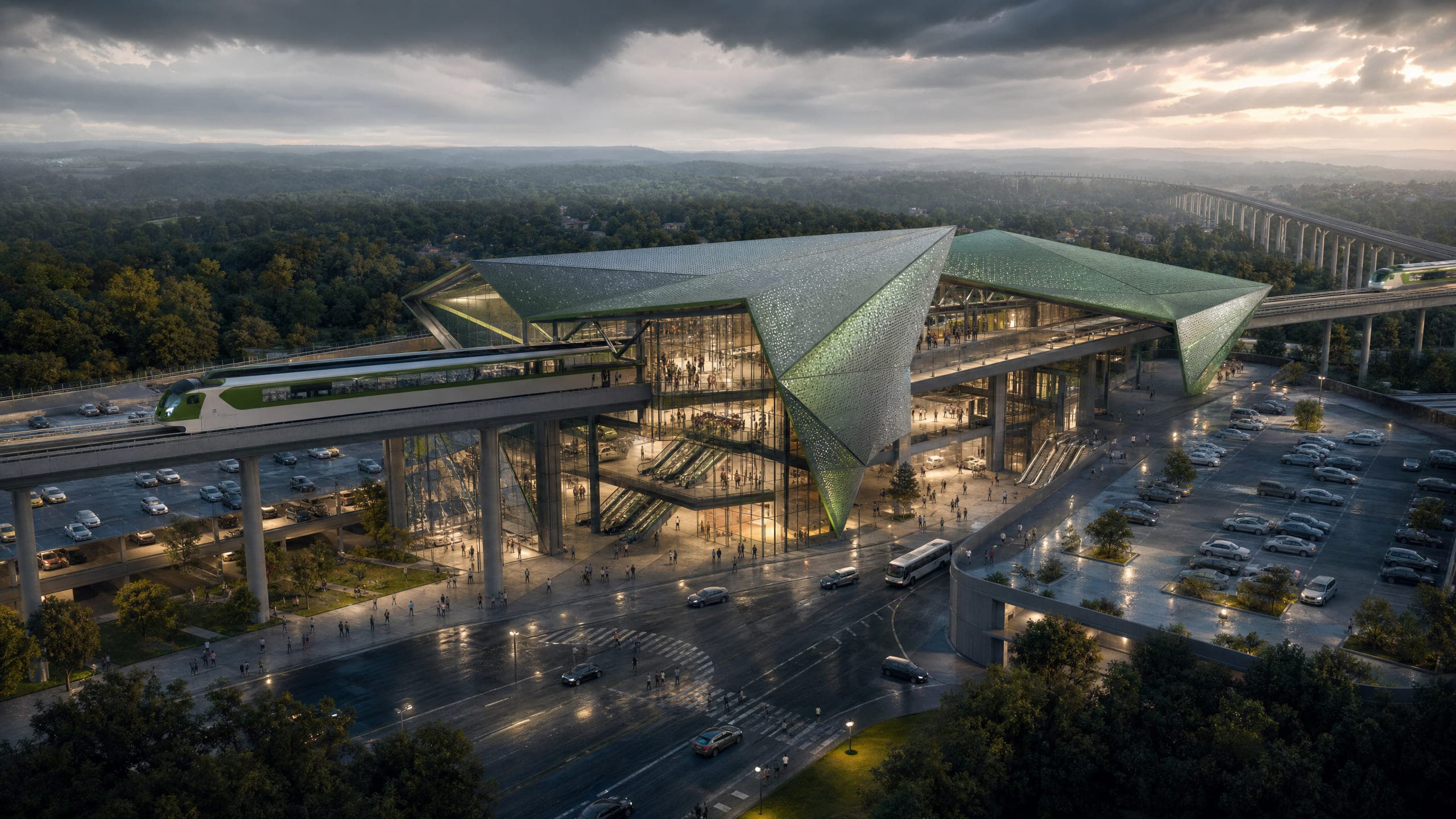
An aerial view of a transport terminal, reading as massing in context
Render it

AI rendering

Composition-preserving rendering. Your geometry, massing and openings stay exactly where you put them, and only material, light and context change. A render that answers a question about your scheme rather than showing you a different building.

  • Composition preserved, so the render is still your design
  • Material, season and time-of-day option sets
  • Upscaling to presentation and print resolution
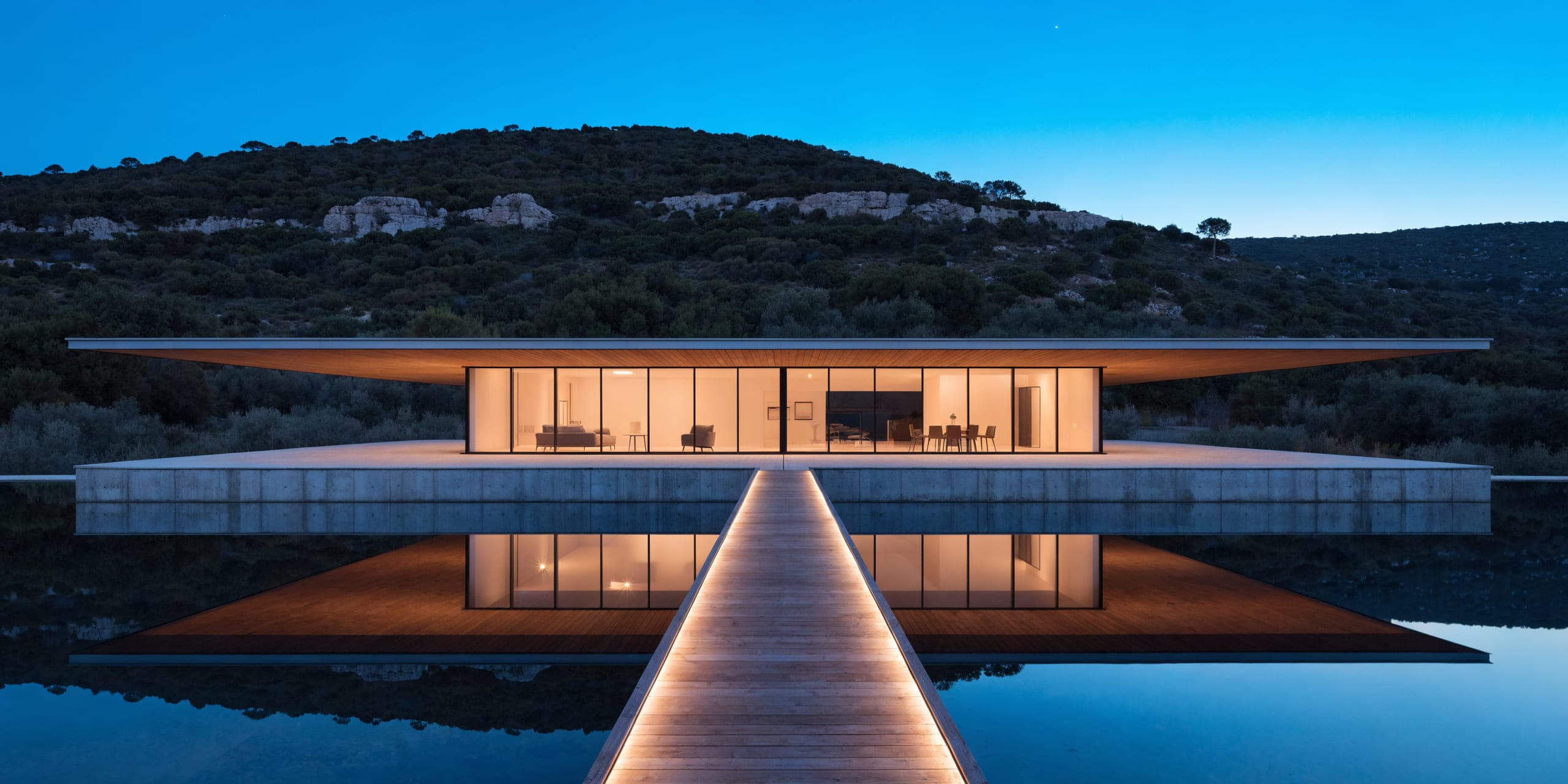
A villa at dusk mirrored in a reflecting pool, lit from within
The suite

And everything that sits around them

A project does not stop at the render. It has to be written up, presented, published and used to win the next one. All of that is included rather than sold separately.

Film

Flythroughs and cinematic cuts from your own renders, with score and ambient sound.

Web

Build and publish a practice site yourself, with custom domains on higher tiers.

Writing

Design and Access Statements, specifications and proposals, drafted from your drawings.

Marketing

Campaign and social material cut from real projects rather than stock libraries.

Boards

Storyboards and moodboards on a fluid canvas, for sequencing and reference.

Research

Live web research with cited sources, for policy, precedent and context.

Projects

Work organised by project, with a brand identity carried through everything.

Corb

An assistant that knows the platform and the discipline, on hand throughout.

Nobody else covers more than one of these

That is the whole argument. One subscription, one place, from the first sketch to the published project page.