
COMING SOON
Affordable software
for designers.
Everything from the first sketch to the final output, with one gallery and one project structure behind the lot. Built for students, early-career architects and small teams doing it themselves, at a fraction of what the same stack costs bought separately.
One platform, the whole project
From first sketch, to developed design.
Drawing, modelling, rendering and layout, without a shelf of separate software licences.
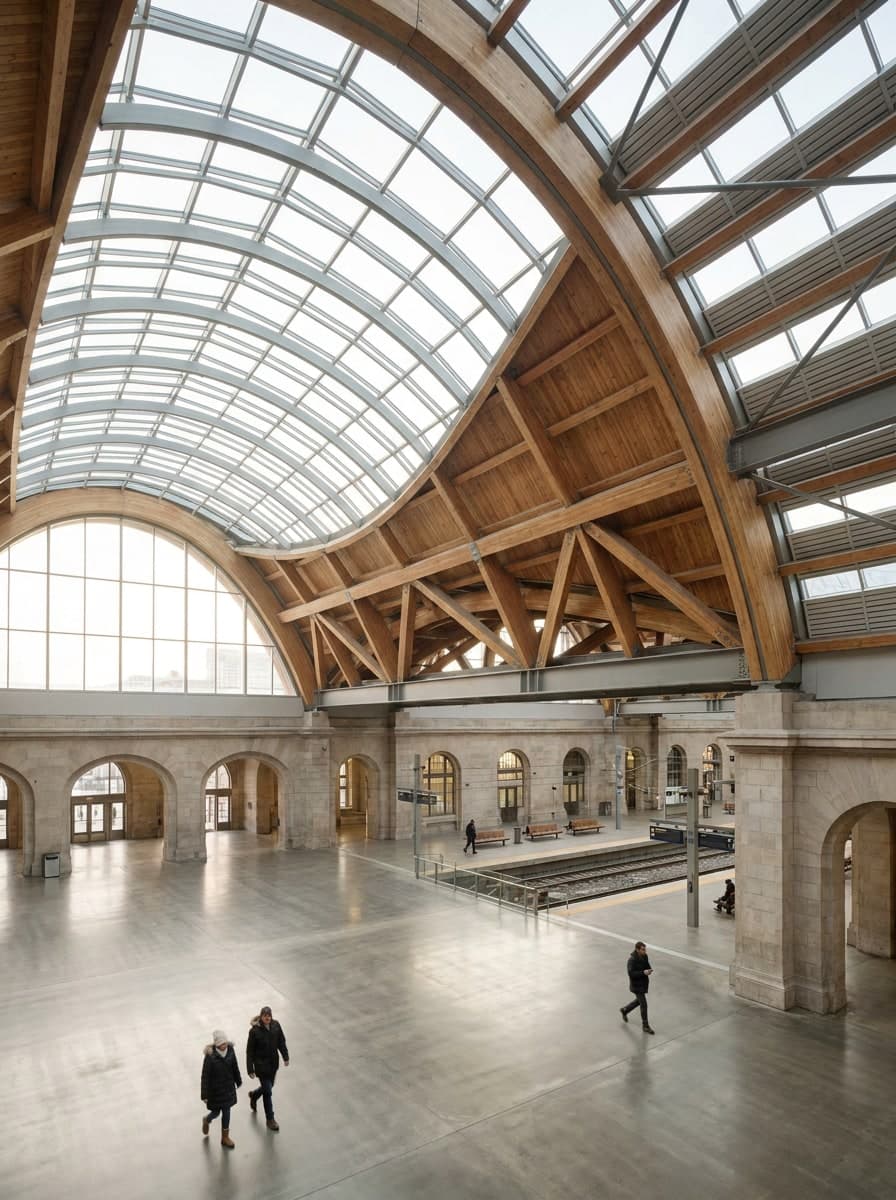
The whole project, one place
Every stage of the work side by side, with one gallery and one project structure underneath it. Nothing gets exported between applications, so nothing goes missing on the way.
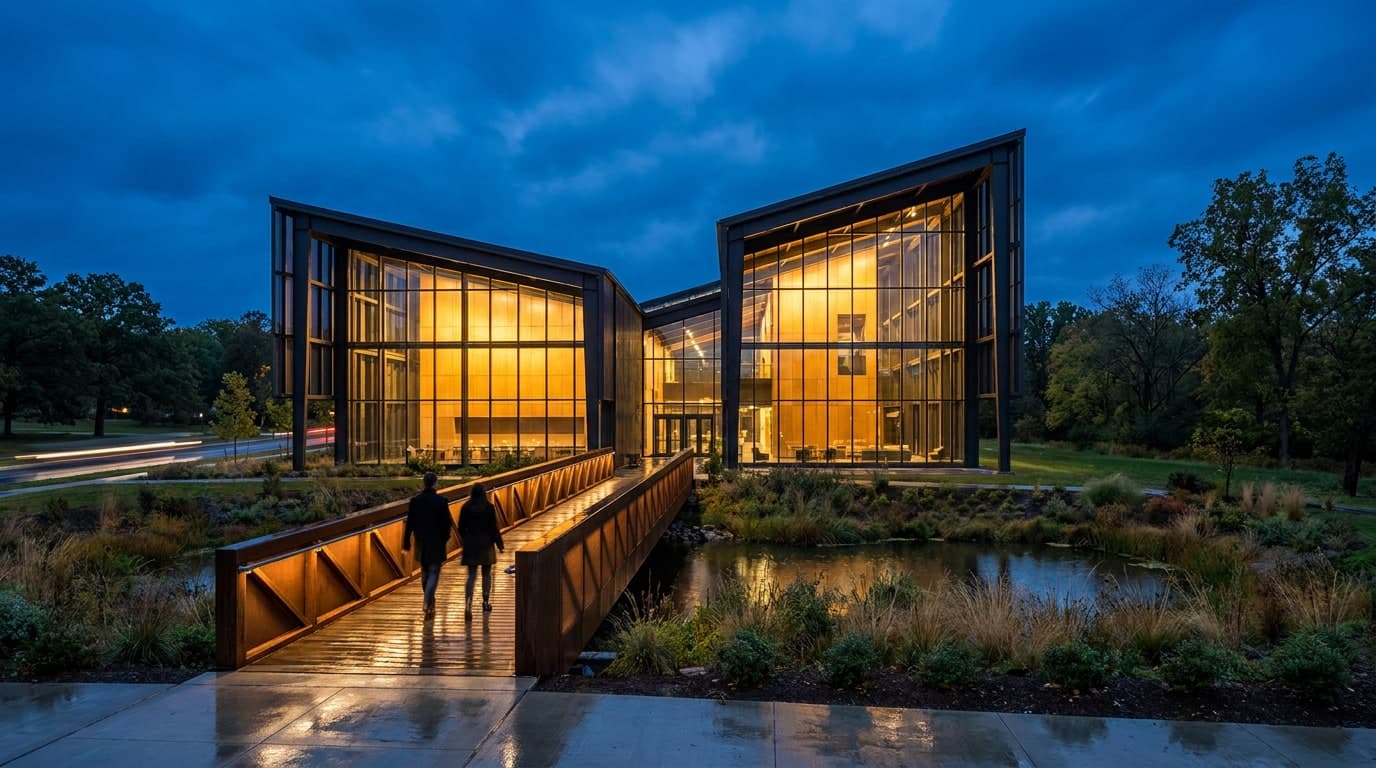
Your scheme stays your scheme
Composition-preserving rendering holds your geometry, massing and openings. Material and light change around them, so a render tests the building you drew.
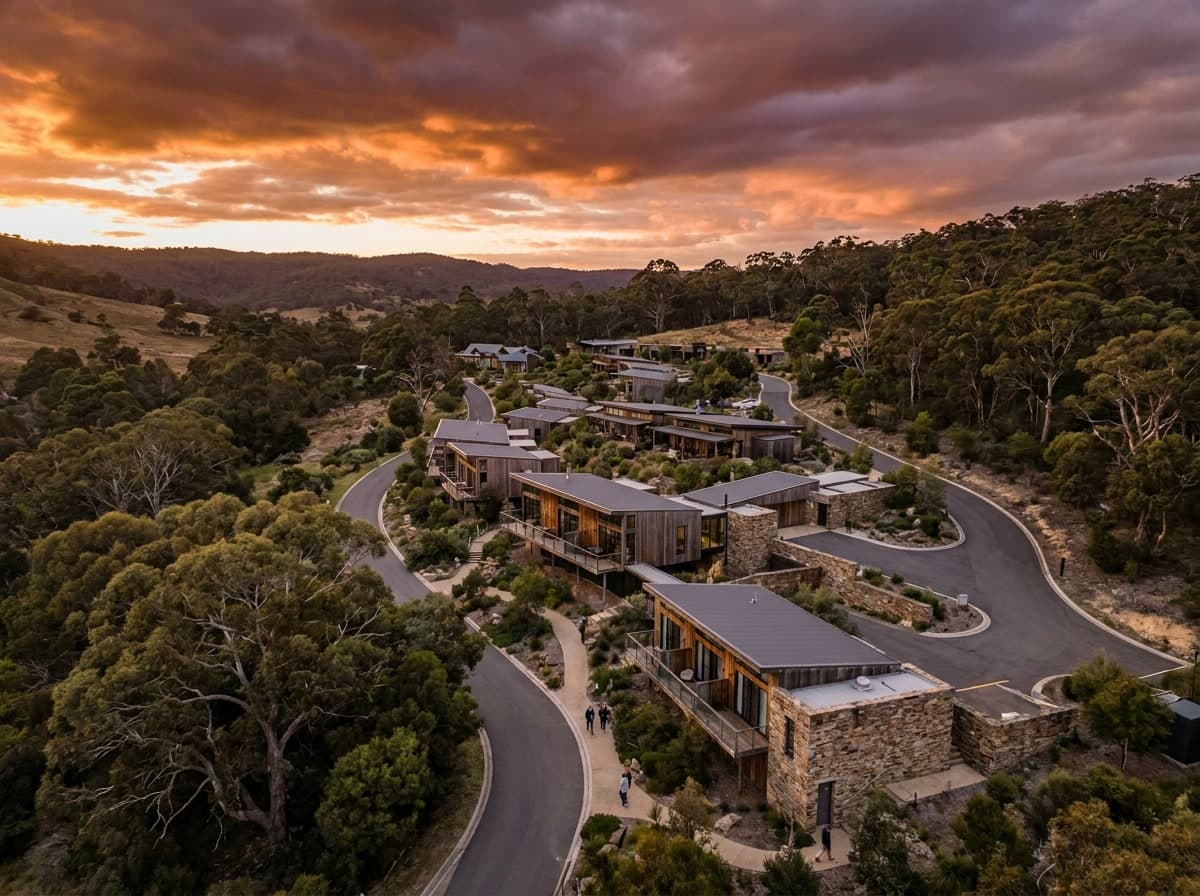
Built by practising architects
Sheet sizes, drawing conventions and the RIBA or AIA stages a project actually runs on.
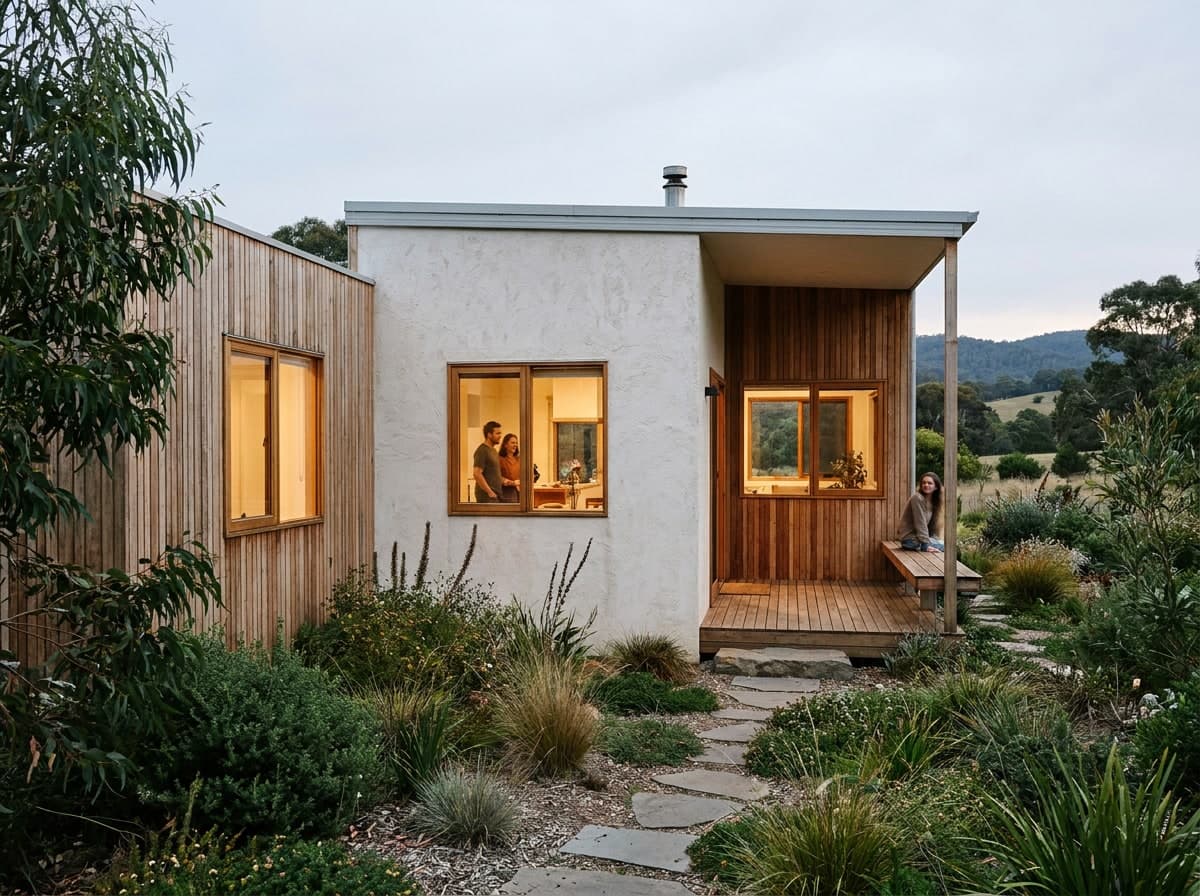
Priced for small teams
Top-ups don't expire and there are no surprise charges; cancel whenever you like. It costs a good deal less than the software it replaces.
Built for the way a practice works
The work a practice repeats, and the tools that make it quick.
Built for the way a practice works
The work a practice repeats, and the tools that make it quick.
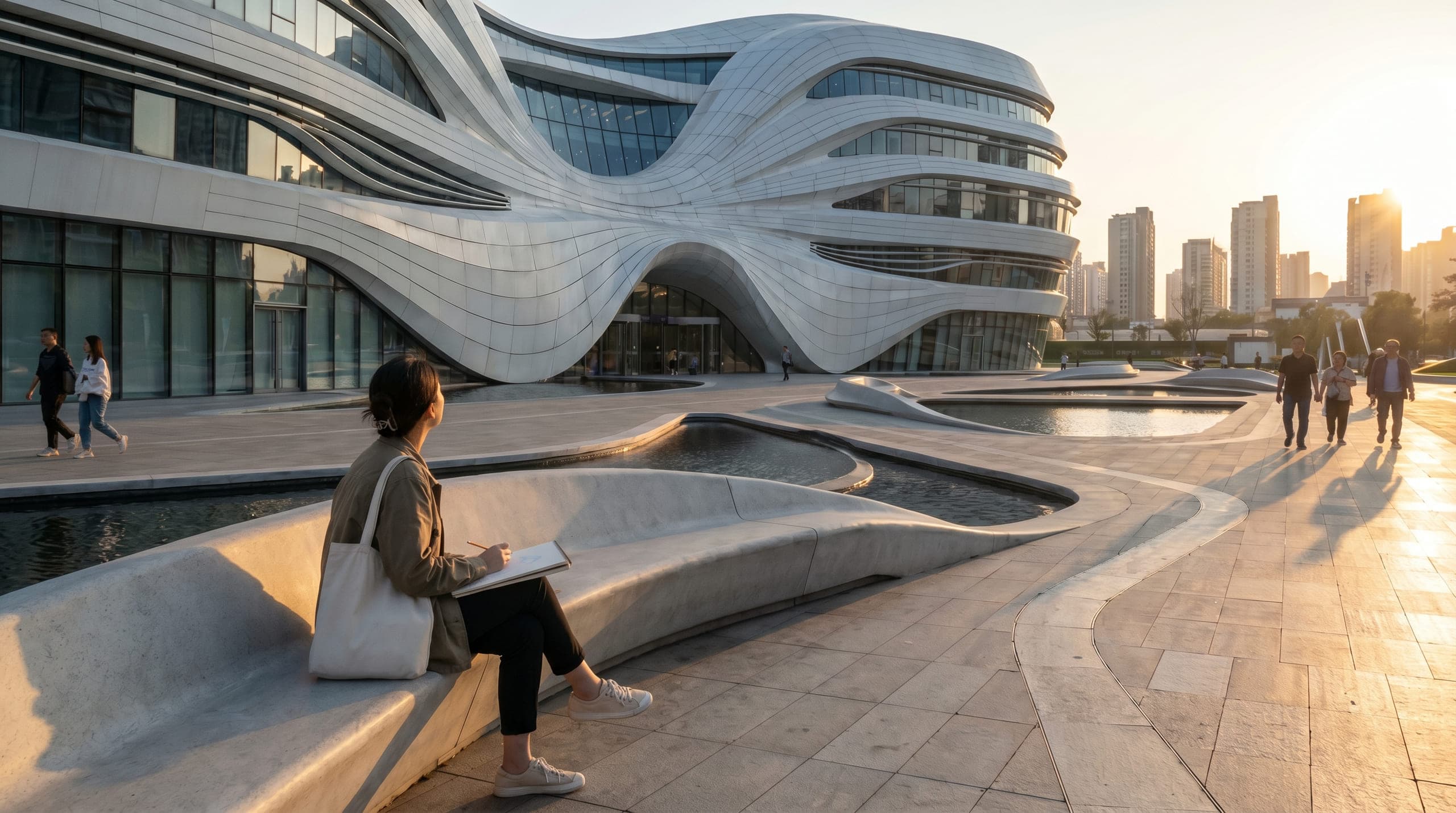
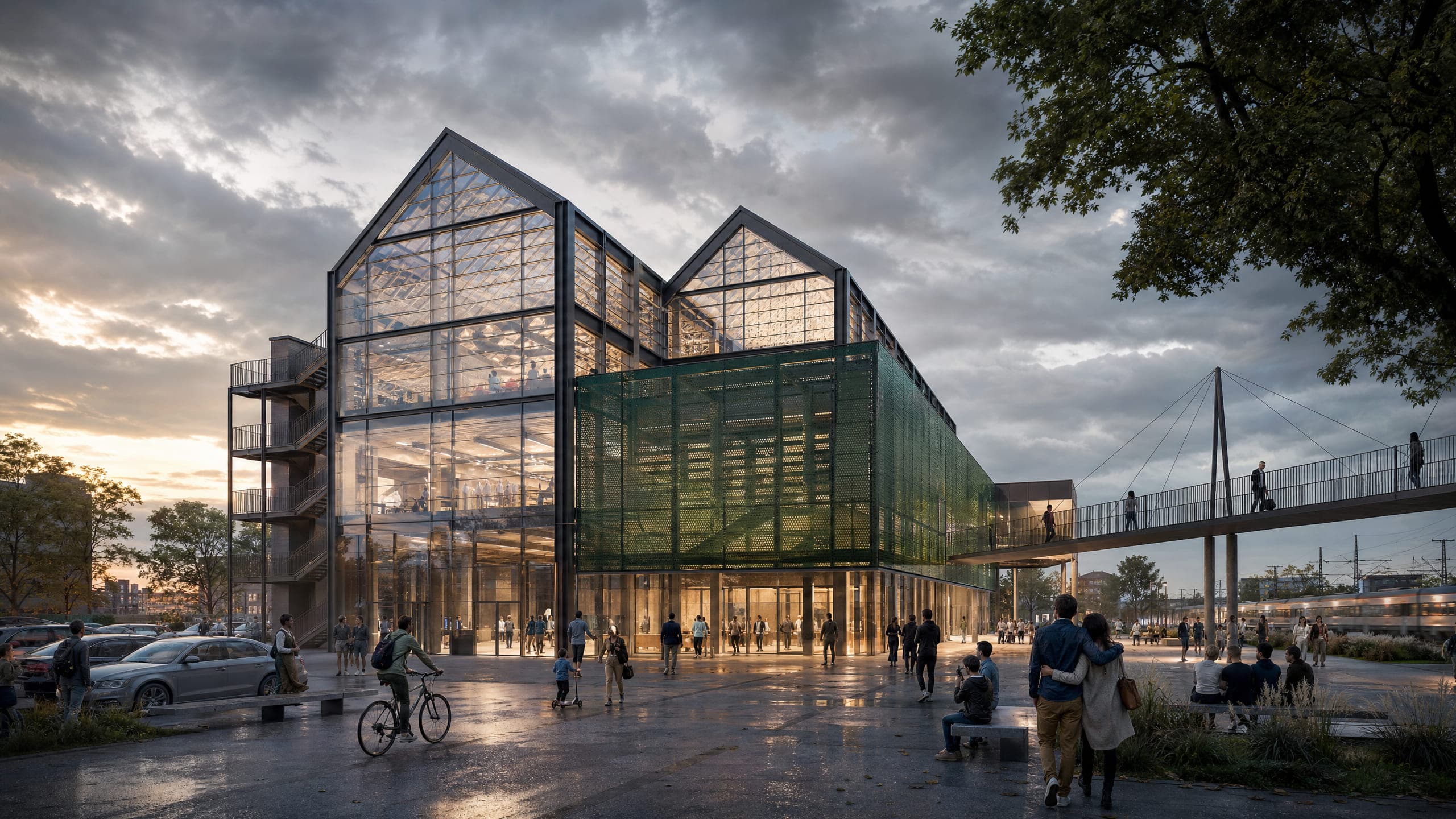
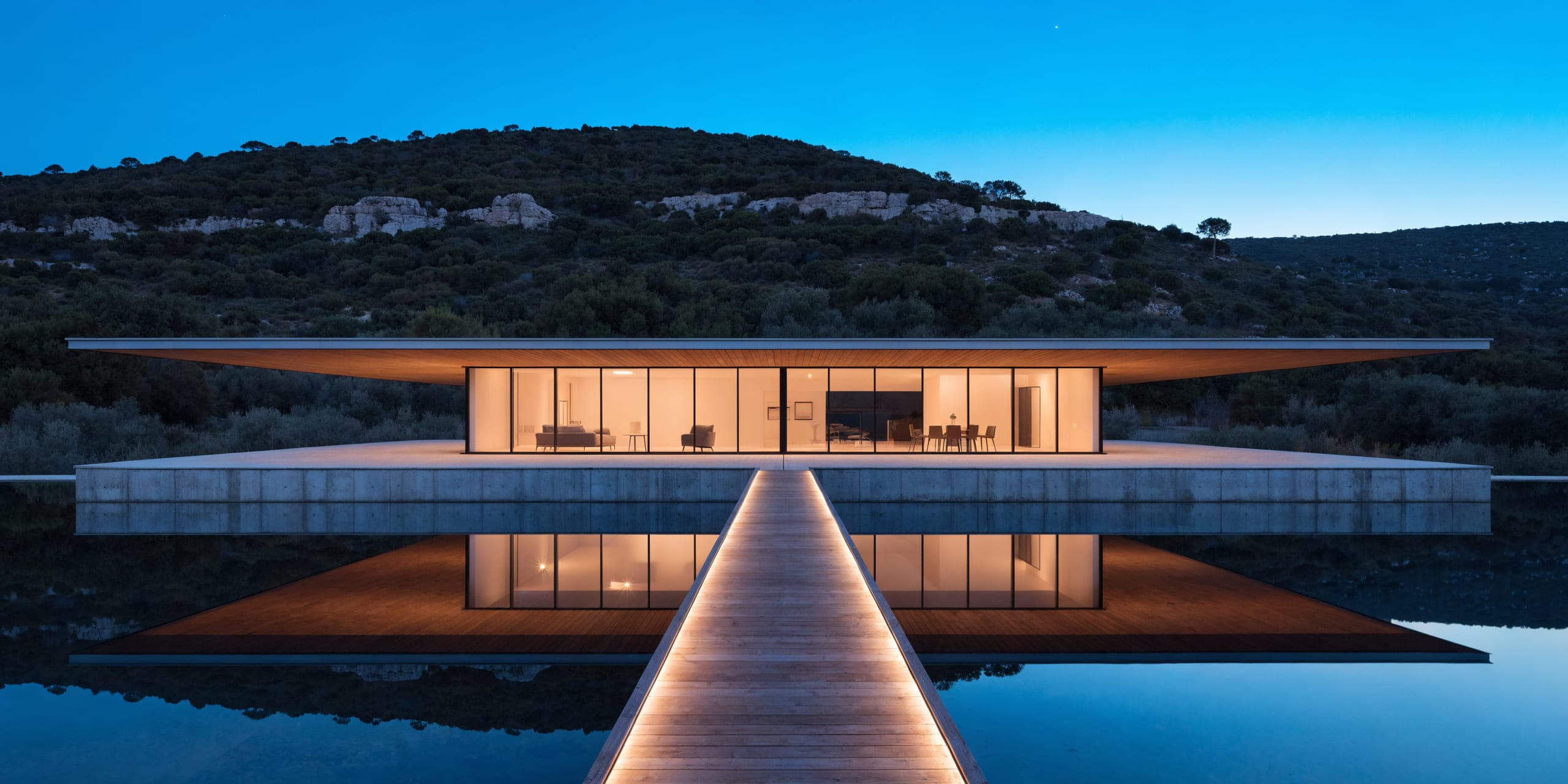
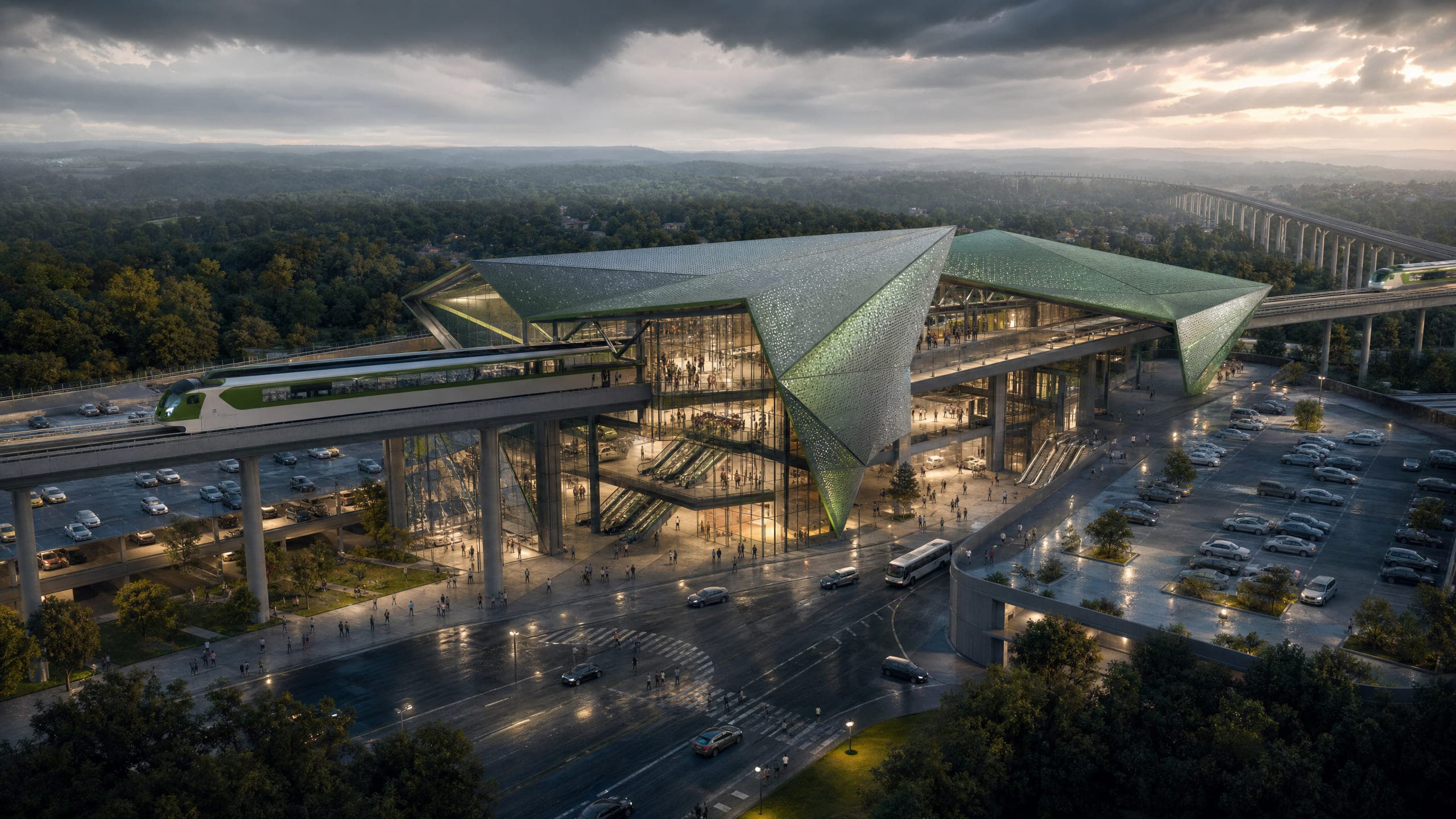



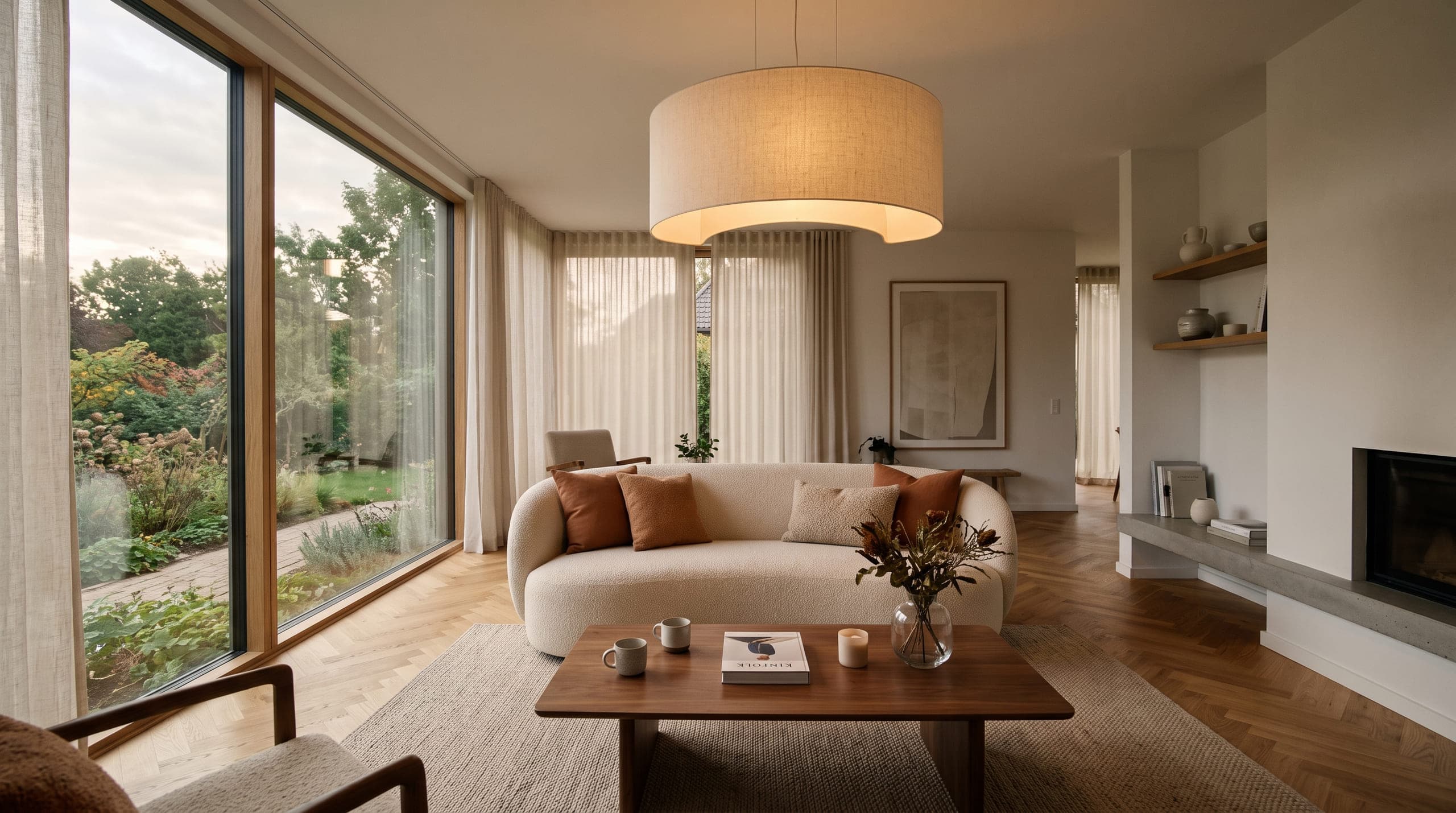

Concept Design
Sketch to render, massing studies, option sets, early immersive walkthroughs
See how it worksThe models inside.
Every plan carries the full catalogue. One credit balance, no per-model fees, and the flagship engine for every discipline.

Nano Banana Pro
Image

GPT Image 2
Image

Ideogram v3
Image

Luma Uni-1
Image

Seedance 2.0
Video

Kling O3
Video

Hailuo 3
Video
Luma Ray 3.2
Video

Gemini Omni Flash
Video

Meshy v6
3D

Rodin V2.5
3D

ElevenLabs
Audio
Nano Banana Pro
Image
GPT Image 2
Image
Ideogram v3
Image
Luma Uni-1
Image
Seedance 2.0
Video
Kling O3
Video
Hailuo 3
Video
Luma Ray 3.2
Video
Gemini Omni Flash
Video
Meshy v6
3D
Rodin V2.5
3D
ElevenLabs
Audio
100+ more inside.
Every deliverable, start to finish.
Planning packs, presentations, walkthrough films and the practice website that wins the next job. All from the same project, in the same place.

Planning packs
Drawings, contextual views and a drafted Design and Access Statement, assembled in one place.

Presentations
Renders, option sets and boards at real sheet sizes. Material anyone can actually read.

Practice websites
Project pages and a site you publish yourself, updated when work completes rather than yearly.

Walkthroughs and film
Flythroughs cut from your own renders, and walkthroughs a client moves through themselves at eye level.
Priced for students and small practices
Start free for 7 days, then pick a plan when you're ready. Top-up credits never expire, and the cost of anything you generate sits on the button before you press it.
Starter
3,000 credits/month
- Draw in Linea
- Model, walk and render it
- Retouch and lay out sheets
- Docs, specs and research
- Projects and Canvas
- Corb, your design assistant
- 2 concurrent generations
~20% off, billed yearly
Pro
7,000 credits/month
- Everything in Starter, plus:
- Better value per credit
- Publish live websites
- Custom domains
- Sell from your site
- Unlimited Corb chat
- 3 concurrent generations
~20% off, billed yearly
Max
13,000 credits/month
- Everything in Pro, plus:
- Best value per credit
- Priority render queue
- 4 concurrent generations
- Early access to new features
~20% off, billed yearly
Ideas, guides, breakdowns.
Golden Hour Renders: Why the Low Sun Angle Sells a Scheme
Long shadows and raking light do more selling than any camera angle. Here's why golden hour works and how to get it without waiting for sunset.
7 min read
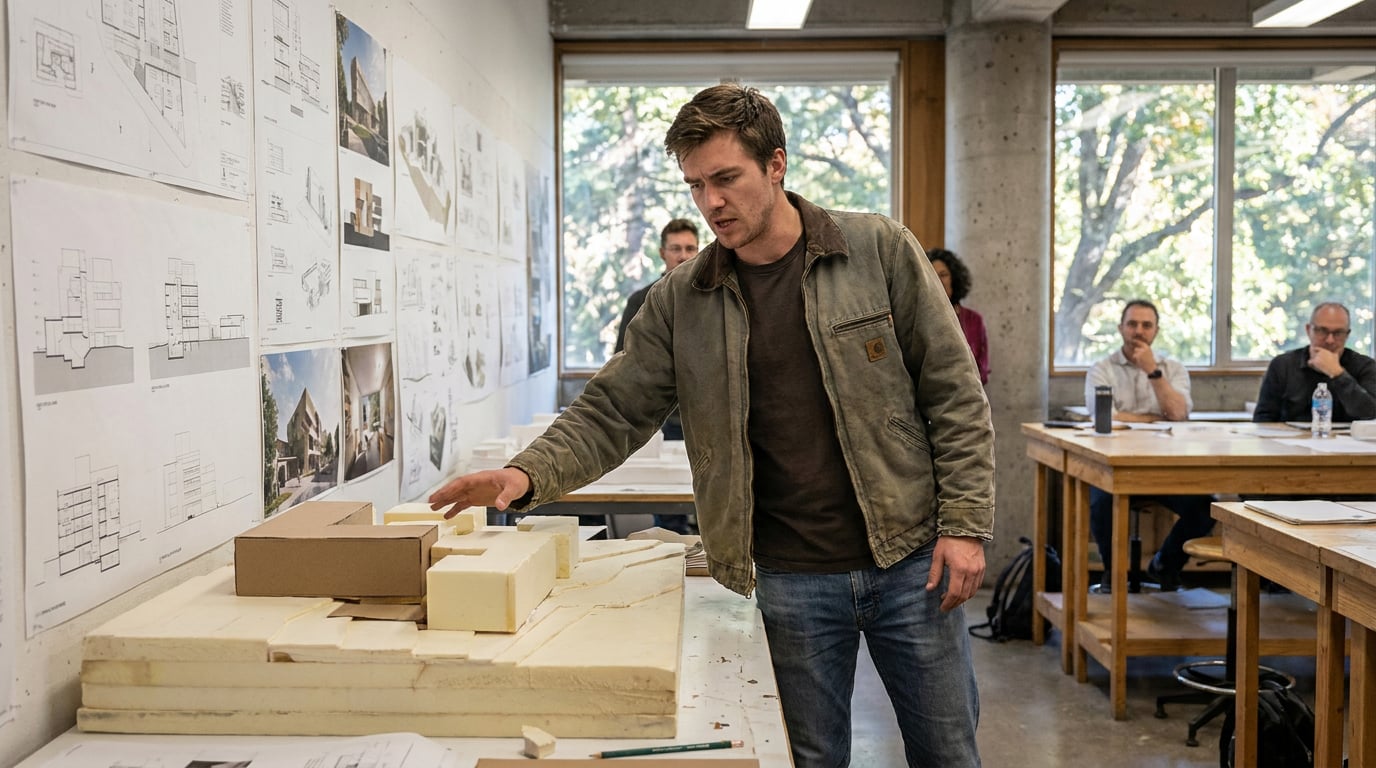
Presenting Design Options in a Crit Without Losing the Room
Switching between model, render and drawing mid-crit kills momentum if you're hunting through folders. Here's how to keep every option one click away.
7 min read
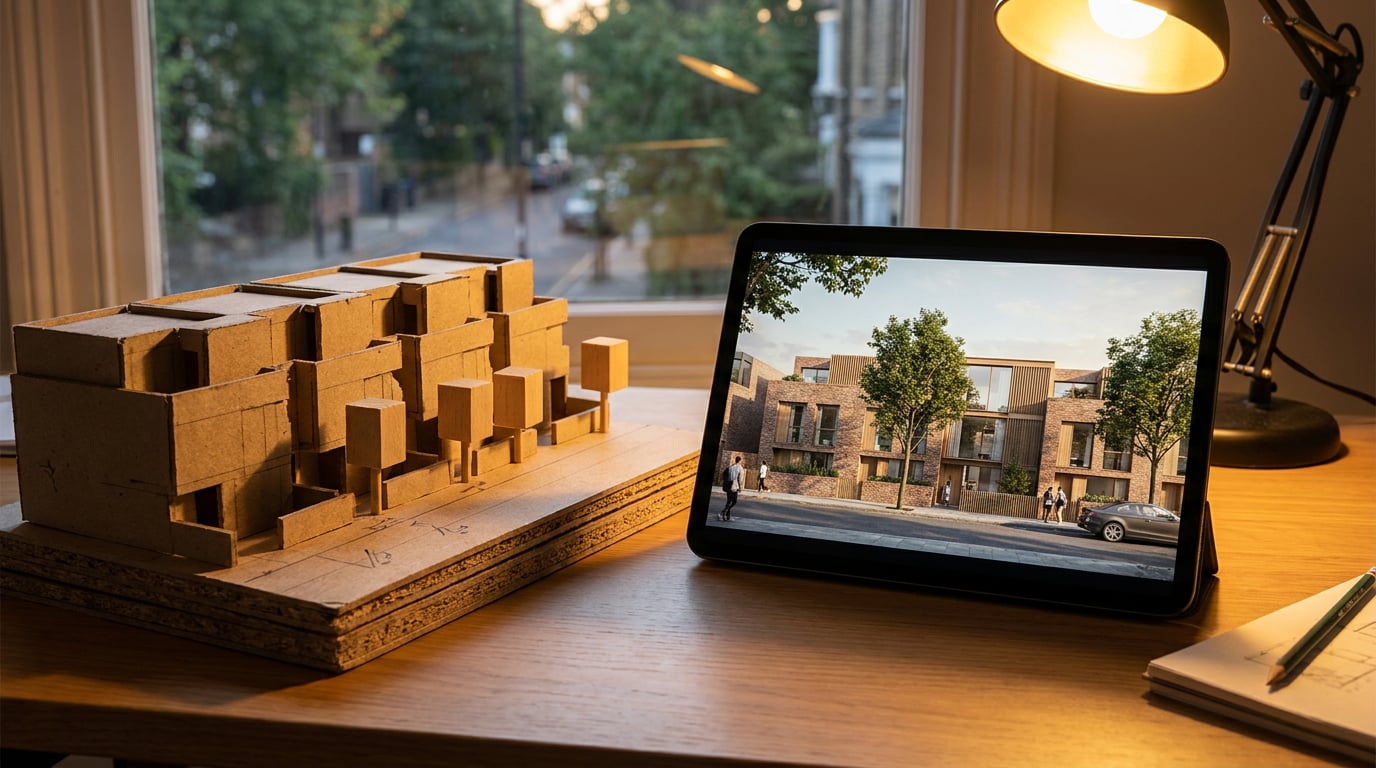
From Sketch to Section: A Workflow for Early Concept Drawings
A concept sketch means nothing until it becomes a plan and section that hold up. Here's the workflow that gets you there without redrawing everything twice.
8 min read
Stop paying five subscriptions to do one job.
Start free in two clicks. Or email hello@archademia.com with any questions.